
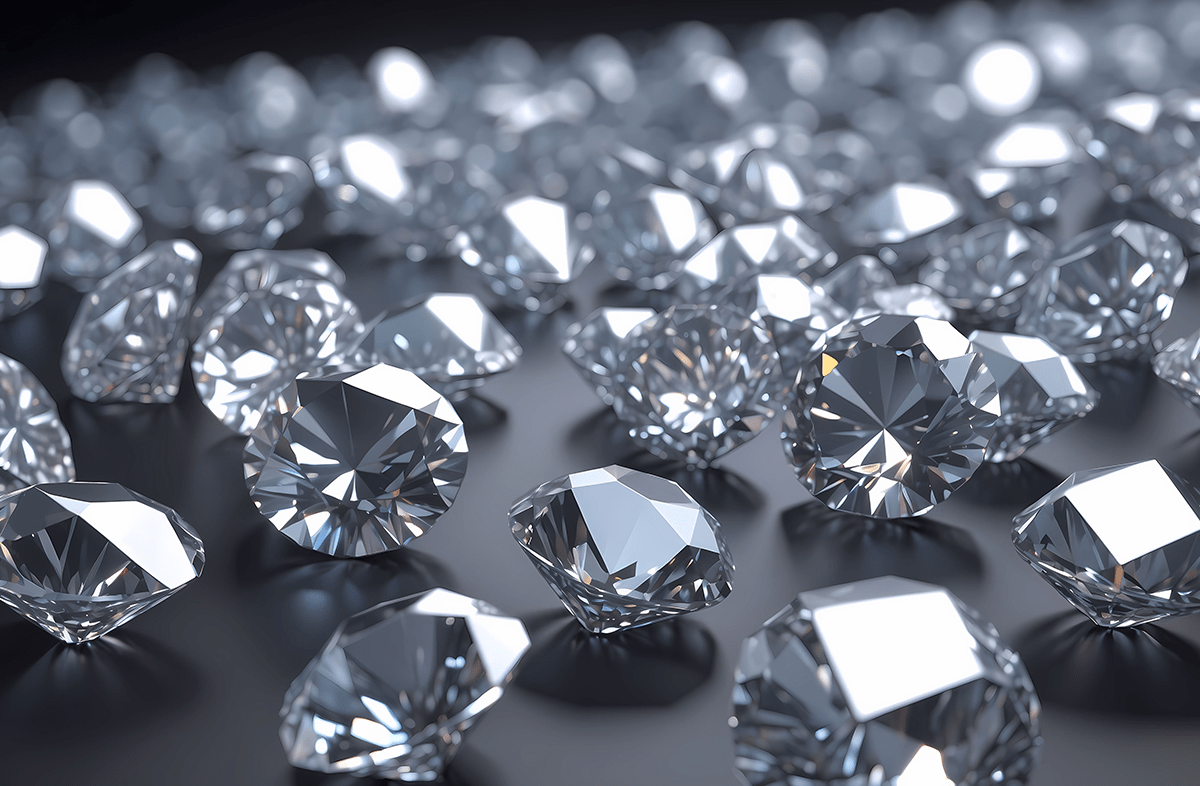
Natural diamonds are carbon crystals formed over billions of years, pushed to the Earth’s surface by volcanic eruptions. They are found in kimberlite pipes or in alluvial deposits near riverbeds. While diamonds were first discovered in India more than 2,500 years ago, modern mining operations now span countries like Russia, Botswana, Canada, and South Africa.
Throughout history, diamonds have symbolized power, purity, wealth, and eternal love. From royal crowns to modern engagement rings, diamonds have played a significant role in human culture. The famous tagline “A Diamond is Forever” transformed diamonds into the ultimate symbol of commitment, especially in Western traditions.
The global diamond industry includes mining, cutting, trading, and retail. Major centers like Antwerp, Mumbai, Dubai, and New York play key roles in diamond trading. Advances in diamond cutting and certification have made it easier for buyers to assess value using the 4Cs — Cut, Clarity, Color, and Carat weight.
Today, lab-grown diamonds are disrupting the traditional diamond market. Identical in appearance and composition to natural diamonds, they offer a more ethical and affordable option for consumers concerned about sustainability and conflict-free sourcing.
From ancient treasures to modern expressions of love, the world of diamonds remains timeless. Whether mined from the Earth or grown in a lab, diamonds continue to enchant, inspire, and symbolize life’s most precious moments.